
How Continuous Patient Data Supports Star Ratings and Risk Adjustment
Star ratings, HCC risk adjustment and value-based reporting all depend on what gets documented. Daily patient data fills the gap between visits.
Respiratory Care’s Place in Value-Based Contracts
As ACOs and Medicare Advantage plans share risk with hospitals, respiratory care can become a lever for outcomes. See how continuous patient data helps.
COPD Rarely Travels Alone: The CKM Connection
Estimates show 70% of Medicare and Medicaid COPD patients also have a cardiac, kidney or metabolic condition. Why whole-patient daily data matters.
CPAP Adherence: Why Half of Patients Struggle in the First Year
Estimates suggest half of diagnosed OSA patients fail the most common treatment within a year. Daily check-ins help care teams support CPAP users early.
Is the Oxygen Prescription Still Right? Evidence Between Visits
Oxygen prescriptions are often renewed with little evidence from daily life. See how patient-reported data gives prescribers a clearer view between visits.
Connecting the Medical Neighborhood Around the Respiratory Patient
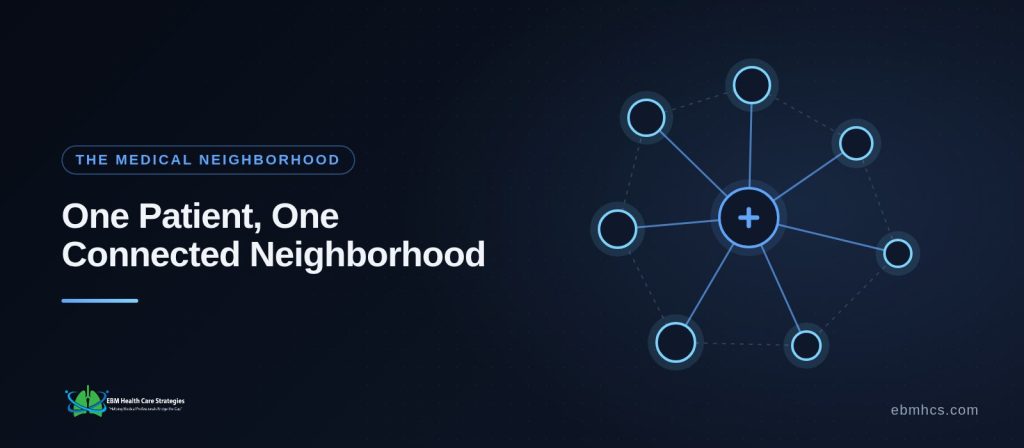
A respiratory patient is seen by many clinicians but rarely by one connected team. See how shared daily data links hospital, PCP, specialists and payers.
No CPT Codes, No Payer Qualification, No Limits: Why It Changes Deployment
With no CPT codes, no payer qualification and no limits on who, a remote care program can reach an entire chronic population starting on day one.
Thirty Seconds a Day: Patient Engagement That Actually Happens
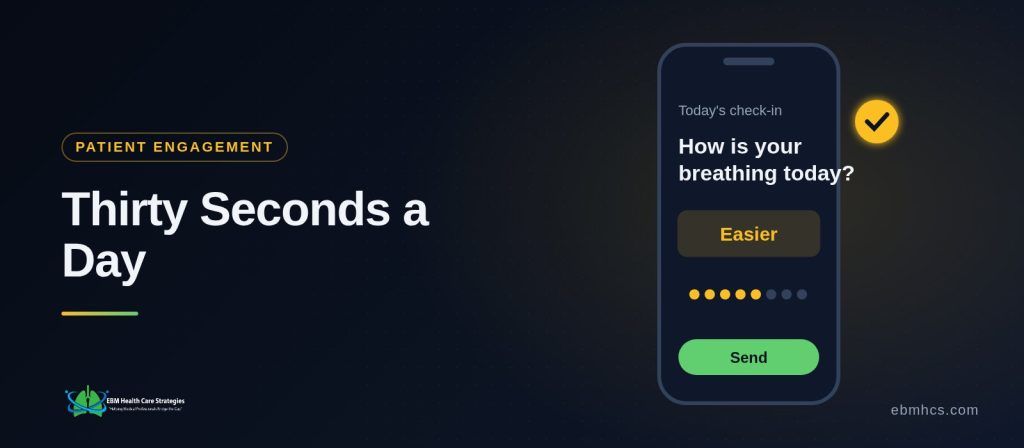
Patient engagement fails when it asks too much. CareConnect asks about thirty seconds a day, on the patient’s own phone, one question at a time.
PDS™: Turning Thirty Seconds of Patient Answers into Clinical Evidence
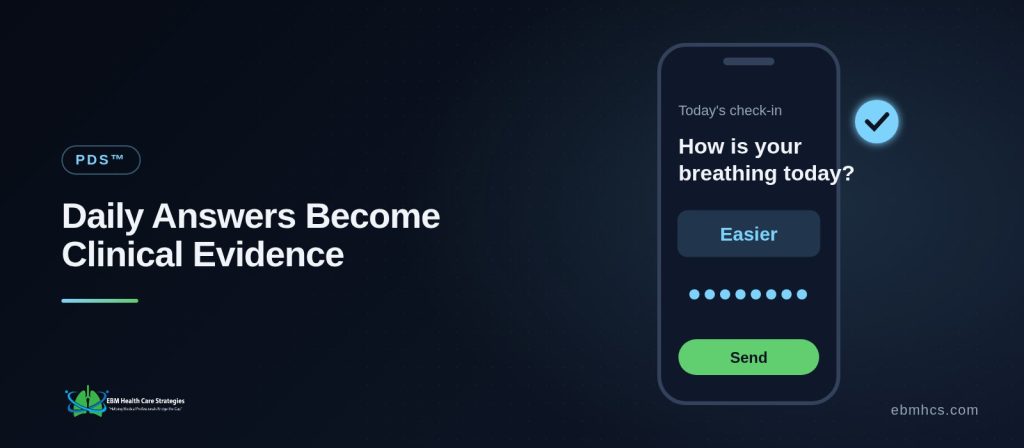
PDS™, the Patient Data System, lets care teams set their own questions and turn short daily patient answers into evidence for therapy decisions.
The Undiagnosed Patients Already in Your Hospital
Most people with obstructive sleep apnea are undiagnosed, and many are already hospital patients. A Practice-Based Protocol helps find the need early.